

What you saw and what you missed
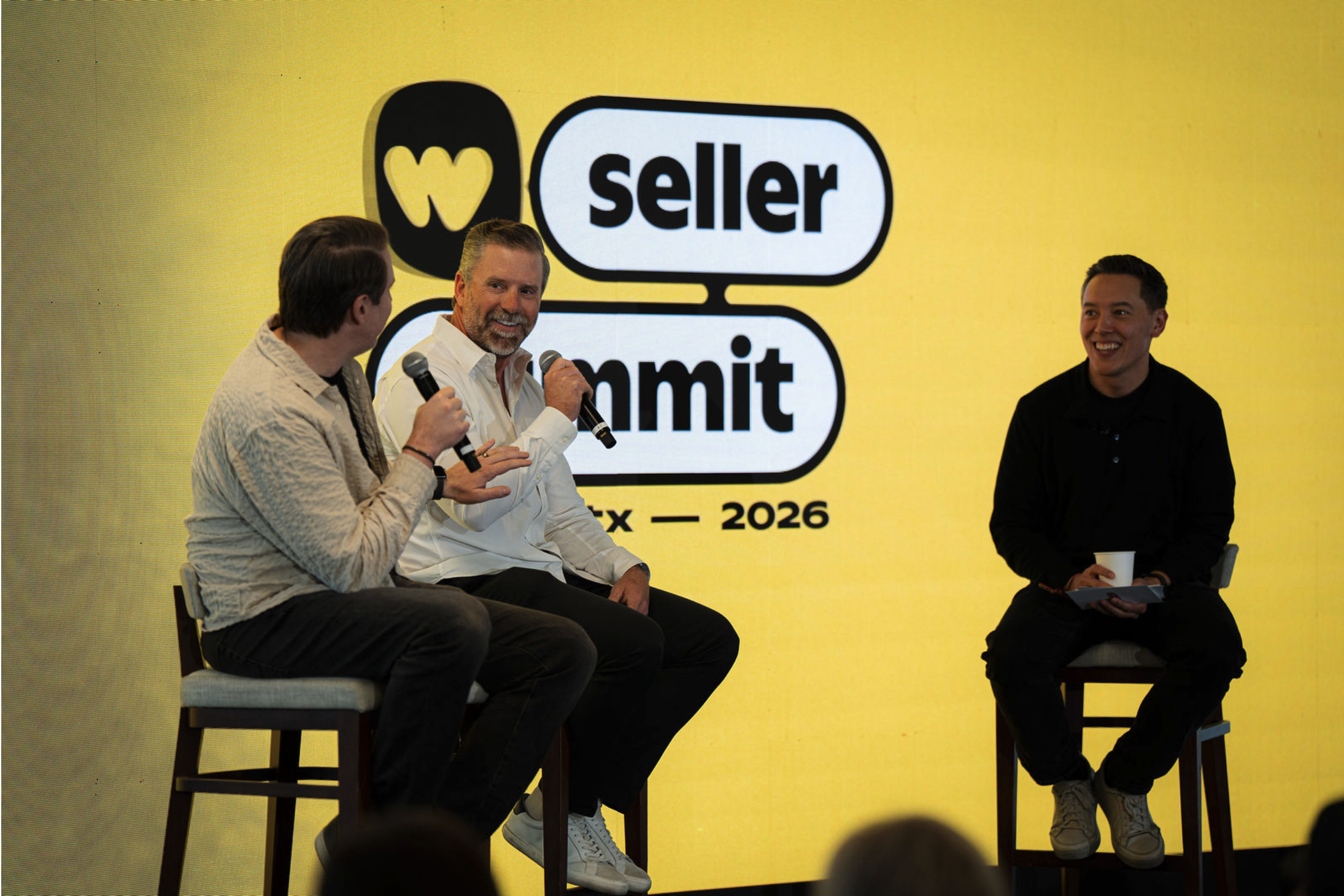
What you saw and what you missed
Learnings from the Whatnot Seller Summit
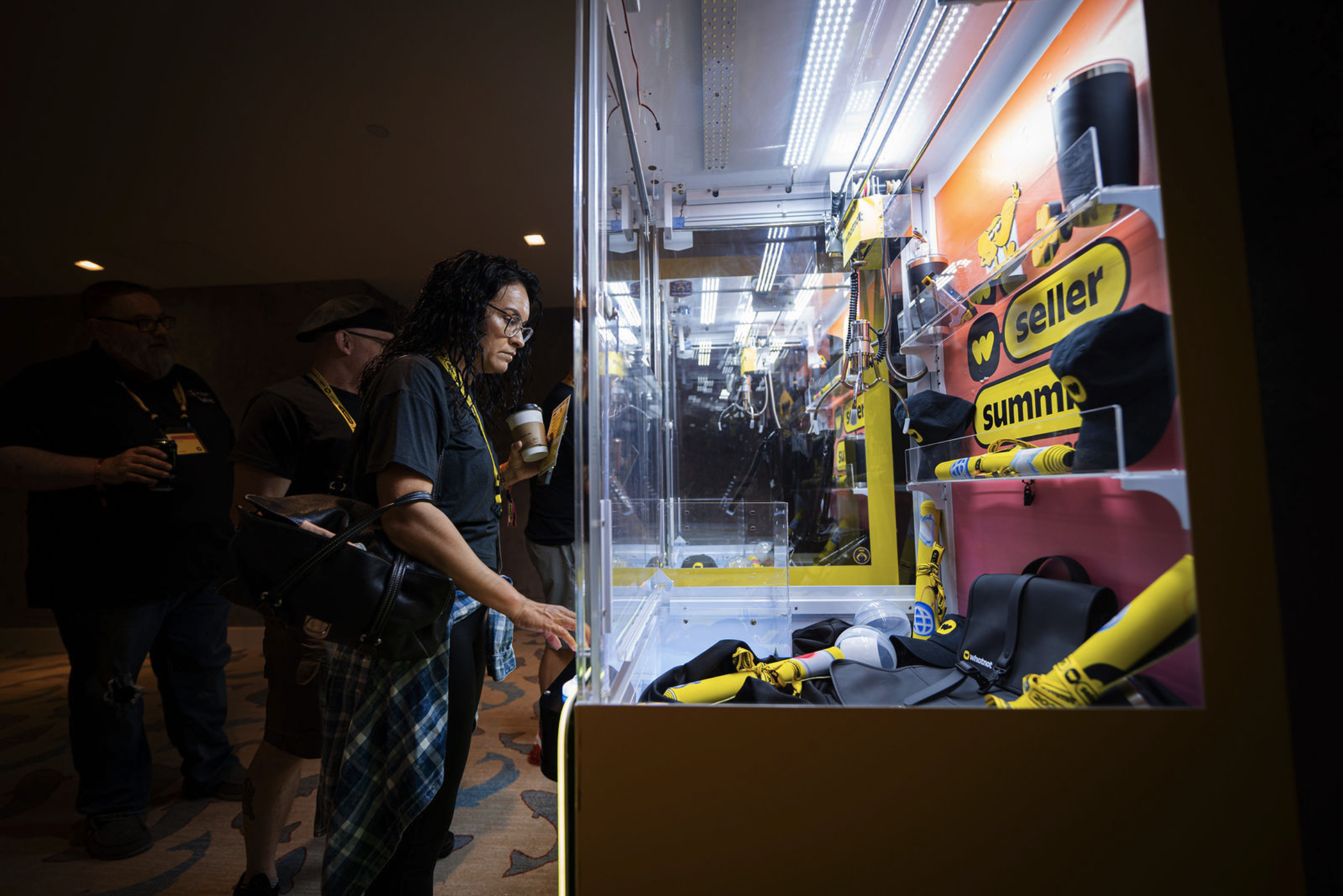
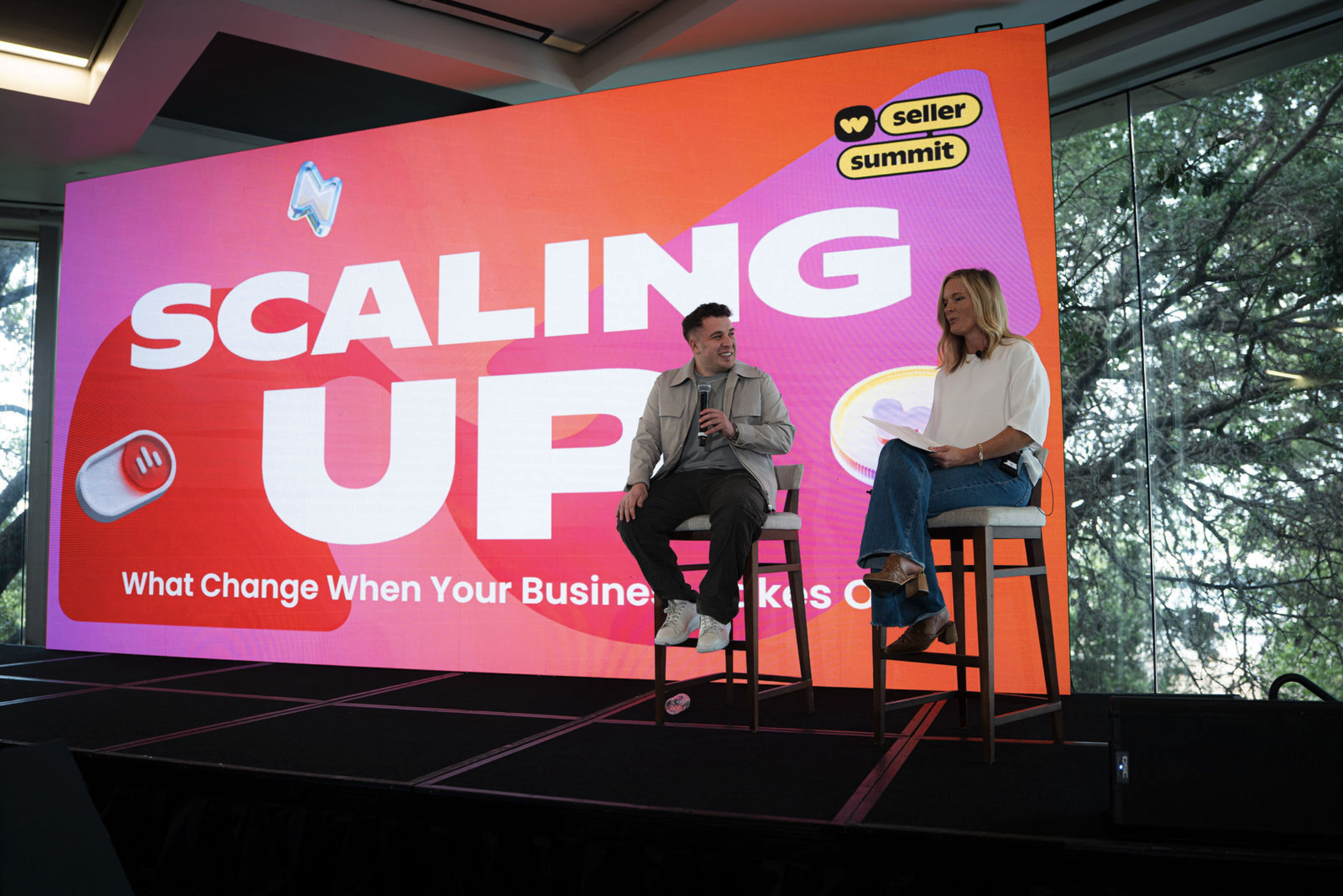
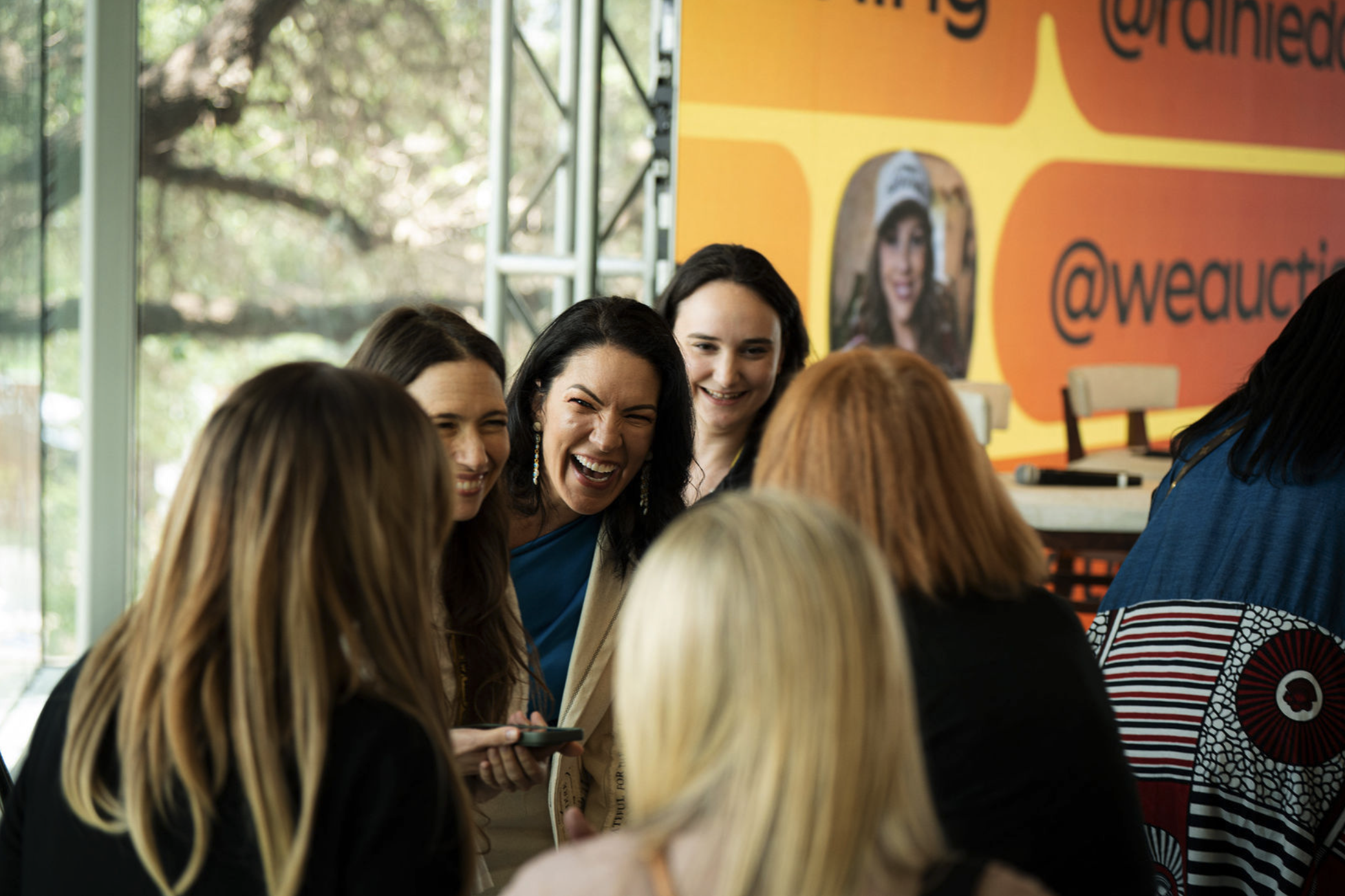

Main Stage Keynotes & Panels
-
Sellers ask us one question more than any other: what are you doing to bring buyers to the platform? VP of Marketing Andy Tu showed you how Whatnot's marketing engine works and why sellers are at the center of it. You heard how on-app events, paid campaigns, and brand investments translate into real growth for your business. Plus, you heard from our new creative partners at Callen, the team led by the creative mind behind Old Spice's iconic comeback, and winners of an Emmy for the Nickelodeon rebrand, on what it takes to build a brand that stands out, whether you're running a team or doing it all yourself.
Key Takeaways:
• Everything we put in front of buyers starts with what sellers create. Every time you go live, you're telling people who you are and why they should care. That's marketing. And you're doing it every single day. You show up for your buyers. We show up for you. And together we're creating the biggest brand in shopping.
• Where Whatnot sits today: #1 shopping app, 144 days in the App Store top 20, and first-time buyers up 285% YoY. And we’re making sure that buyer momentum continues by running more ads. Whatnot is one of the biggest spenders on social platforms right now because that's where your buyers are. You'll also start to see Whatnot show up in bigger places: podcasts, TV, broader brand moments.
• On-app events like Black Friday Live and the Super Bowl exist to drive long-term growth for sellers, not just a spike. On Black Friday, Whatnot sellers grew 185% while traditional e-commerce grew 9%, and sellers who participate tend to set a new baseline rather than return to where they started.
Next Steps:
Use Whatnot's brand assets to level up your shop, streams, and socials
Promote your shows on social using #WhatnotPartner for a chance to get boosted by our ads team.
-
In this session, three sellers from different categories get on stage to talk about a big mistake they made while building their Whatnot business, what it cost them, and how it improved their business in the long run.
Key Takeaways:
• The mistake sellers regret most is moving too slowly on the obvious fix. Sam waited six months to hire a shipper when the actual answer was texting two friends and paying them $50. He held off on an office space for years before realizing the basement setup was capping the business. His tactic: do an audit — list everything you do in a day and look for what's eating hours that should be optimized. Focus on what only you can do and offload the rest. Test things one at a time, not all at once: small bets, fast feedback, keep what works.
• Cashflow is the quiet thing that breaks fast-growing businesses. Harrison and Caitlin sold their personal car collection in their early days to keep replenishing inventory after sellouts. Their fix: source continuously, not just when you're running low, so inventory trickles in instead of requiring one big check after every big show. When cashflow gets tight, taking a small loss to keep the engine running is sometimes the right move. Fine-tune the small things, micromanage expenses, and stay grounded to the financial reality between the highs.
• Be deliberate about who you bring into your business. Dakota's watch-out: people who are looking to partner to clear out a collection are not the same as people who want to build a brand. Listen for whether they're talking about outcomes and what's at stake. Caitlin and Harrison's hardest lesson was a partnership where they felt the red flag but got too excited about being approached to act on it — the right partner brings something to the table that exceeds what you're already doing alone.
Next Step:
• Determine one thing you’ve been doing that you know isn't working but haven't fixed yet — and answer, “what's actually stopping me from fixing it”?
-
Drew from @swishbreaks sat down with Julie to get into the real mechanics of scaling: the first hire, the fulfillment chaos, the show formats that stopped working, and the mindset shifts that had to happen to keep growing.
Key Takeaways:
• Hire before you need to, and hire for ownership. Drew's first hires at Swish Breaks were day-to-day operations and fulfillment — the things he hated doing or wasn't best at. As you scale, the bigger shift is finding people who want to own a function rather than assist with it. Lean on your network first — trust is the hardest thing to onboard. Julie's tip: bartenders and grocery checkout staff make great early operational hires; they're used to interacting, moving fast, and handling whatever comes at them.
• Every system you build will eventually break — so build for what's coming next, not just what works today. Swish's fulfillment journey went pen-and-paper → spreadsheets → custom automation built by their first software engineer. Drew's framing: if you have a gut feeling a system is about to break, it probably is. The same applies to communication — they recently implemented a Monday leadership meeting where streaming, marketing, product, and ops all sit together. For years Drew assumed everyone was on the same page until he realized he had to actually say it out loud.
• Focus beats expansion — and stay close to what generates revenue. Pokemon was an early miss for Swish — six months of struggle until Drew put one of his strongest on-air personalities in charge of the division. They now do $300K a week in Pokemon. Fashion was the cautionary tale: 90 days of testing pallets clogging the freight elevator of their office building, then the realization to stay hyper-focused on collectibles rather than trying to be in everything. The other side of focus is proximity — Drew said the further he got from what was happening on stream, the more they lost the plot. Product and streaming are the two things he won't hand off.
Next Step:
• Look ahead: What’s the next thing in your business that’s going to break — and what would it take to fix it before it does?
-
Finding good inventory is hard. Keeping it consistent as you grow is harder. Three sellers shared the channels they rely on, how they approach new supplier relationships, and what they'd tell their earlier selves about sourcing smart from the start.
Key Takeaways:
• Sourcing is networking. Go in person to the shops that have what you want and talk to the floor staff, stockers, and merchandisers — they know what's actually moving. Use LinkedIn to find whoever's actually in charge of stock or reverse logistics. Some relationships pay off slowly — Mike's first Sam's Club contract took two years from first conversation to first load. If you get a no, try again in three months. And once you're known as easy to work with, word of mouth compounds — newer suppliers often come through referrals from existing ones.
• You win deals by being the easiest person they could sell to. Position yourself as the solution to their problem — suppliers have surplus stock that needs to disappear, and you're solving that, not asking for a favor. Pay invoices the moment they come in. Have a freight broker in your back pocket and offer to arrange and pay shipping yourself — you can negotiate discounts if you take freight off their plate. "Take alls" build trust faster than cherry-picking, your big break can come from saying yes to a deal nobody else would take. That said, small orders are still good orders — countering a take-all with "I'll take 1,000 units at this price" works more often than sellers expect.
• The relationship is the asset — maintain it like one. Mike's RIP technique — Rapport, Investment, Partnership — is how calling to ask how someone's weekend with their mom went earned him first dibs on great deals. Treat suppliers like family, not transactions: holiday cards, FaceTime calls, knowing each other's kids. When a deal falls apart over price, don't take it personally — respond respectfully and leave the door open.
Next Step:
• What's the next sourcing channel you’re been curious about but haven't tried yet — and what's the first step to testing it?
-
Julie has worked with sellers across every category and stage of growth, and in this session, she walked through the patterns that separate sellers who growth fast from the start. @fashionten joined the stage to bring the data to life with their own story.
Key Takeaways:
• Go live longer and more often. Sellers who stream 5x a week and 30+ hours in their first month hit revenue milestones faster. Cadence builds buyer habits and discovery momentum. In practice: stick to a schedule, run longer shows, show up consistently, and ramp gradually rather than all-in.
• Launch and iterate—quickly. Improving show over show separates sellers who scale from those who stall. If sales are flat or dropping, something needs to change—record and rewatch your shows, and study sellers you admire.
• Use a suite of tools to attract buyers. Breakout sellers invest in getting seen—using Promote Tools, Giveaways, and Flash Sales consistently. None is a silver bullet, but together they shift who finds you and whether they stay. In practice: run Promote or Boost every show, monitor impact and adjust, use Giveaways and Flash Sales mid-show to hold attention.
• Program for both new and repeat buyers. A sustainable business needs new buyers and loyal ones. Coupons are the most underused tool—a first-time discount turns a watcher into a buyer, and a buyer into a repeat one. For new buyers: accessible price points, free or reduced shipping, easy show formats, coupons. For repeat buyers: a weekly flagship show, Rewards Club, seasonal or event-driven programming.
Next Step:
• Which of these are you weakest on—and what’s one thing you can do to change that?
-
Speaker: Tom Verrilli (Chief Product Officer, Whatnot)
Speed has always been core to selling on Whatnot—and that’s not changing. This year, we’re focused on making the experience faster and better. You heard from Tom on how we’re building with sellers at the center: how your feedback shapes what we ship, why listings are playing a bigger role in discovery and conversion, and what improvements are coming to help you move quickly and grow your business.
Key Takeaways:
• Sellers are part of how we build product. We experiment, learn, and iterate quickly based on real seller behavior—which means change is constant, and the goal is finding what works for your business.
• Bad listings are bad for everyone. they lead to poor conversion, lost buyers, increased refunds, and higher shipping costs. 20M people downloaded Whatnot in 2025. 91% of new buyers made their first purchase on a detailed, complete listing—new buyers don’t trust “random pulls”.
• We’re building faster and easier ways to list. more detail, more trust, more purchases, less effort. Soon, listing templates let you set brand, size, condition, and color with simple buttons while live; a new carrier adjustments dashboard will flag issues early, reducing shipping costs; with more to come.
Next Steps:
Read about the Whatnot x Shopify integration on our blog.
Stay tuned for product updates coming to you soon!
Workshops
-
Lighting, audio, video, and background signal quality before you speak. This session covered five production pillars across three real setups—from a phone on a stand to a full OBS rig.
Key Takeaways:
• Great show production comes down to four pillars. Lighting, audio, camera & mounting, and background and set design.
• Start with lighting. Investing in good lighting makes your products easier to see and your show more professional just with your phone and the app, no OBS or extra gear required.
• After lighting, focus on audio. If buyers can't hear product details, bid callouts, and your show energy they're more likely to leave. A dedicated mic is your next upgrade after lighting.
• Good production means removing friction for buyers. Clearly showing them what's being sold, engage with your show, and feel confident when placing a bid.
Next Steps:
• Pick one thing to improve for the look and sound of your next show
• Read the Production Guide to learn more: selleracademy.whatnot.com/productionguide.
-
You joined a small group of sellers at the same stage as you—whether getting started or already a full operation—to dig into the shipping challenges on your mind.
Key Takeaways:
• Shipping looks different at every stage. Newer sellers should configure basics in Seller Hub using help.whatnot.com. Experienced sellers should identify where their operation breaks under doubled volume; scaling sellers should have team structure and fulfillment systems in place before growth forces it.
• Use the in-app scanner every time you ship. It ensures your on-time scan gets captured even if the carrier misses one, which directly protects your account health metrics.
• Audit your post-show shipping routine. Sellers who scale well don't just ship faster, they identify the friction and fix it before it becomes a bottleneck.
Next Steps:
• Open Seller Hub and review your shipping settings—handling time, shipping allowances, packaging preferences. If any aren't configured, start there.
• Next time you ship, scan in-app—don't rely on the carrier. It's faster and directly protects your on-time scan rate and account health.
-
The best live sellers run systems. In this session three sellers ran a real live show on screen and walked you through their systems and the decisions behind each one.
Key Takeaways:
• A high-converting show has structure. Open, build, peak, cool down, close. Each phase has a job—knowing that map is what separates intentional shows from endless ones.
• The mistake isn't starting flat, it's staying flat. Learn to read the room, build to a deliberate peak, and have a plan for when things go sideways.
• How you close matters as much as how you open. A strong close has three parts: the conversion moment, the follow ask, and the next-show tease. End with intention and buyers have a reason to return.
Next Steps:
• Map your next show using the five-phase structure—open, build, peak, cool down, close. Write what you'll do in each phase and how long it runs before you go live.
• Build a ready plan for when things go wrong mid-stream — buffering, items that won't scan, dead chat. Have a response for each so you're not scrambling.
-
This session covered proven strategies—tools and tactics—for bringing in new buyers and growing your audience.
Key Takeaways:
• Bookmarks bring buyers. Ask your audience to save upcoming shows throughout your shows. It puts you in their feed and triggers an email and push notification when you go live.
• Your thumbnail starts selling before you even speak. Use a clear photo of yourself alongside what you sell, and buyers will know exactly why to join.
• Growth isn't linear. Move the needle by engineering standout moments: a special show tied to a product drop, a milestone, or a seller collab.
Next Steps:
• Reach out to at least one seller to plan a special collab show.
• Audit at your thumbnails: consider which ones you should update with a photo from the Seller Summit or another high quality image to standout!
Speakers
We have a lineup stacked with Whatnot leadership and sellers of all backgrounds.

@adudehits
Andy Tu



Alex Russell
Craig Jones

@a_reworkers_passion
@dailyrefinement
@fashionten
@houseofcoop


@jensmultiverse
@juleebecker

Julie Kikla
Kenny Silver


Kristina Garrido
@lunarliquidation

@mastersetgames
@medcityliquidation

@phillyphlipper
@rnzy

@swishbreaks
Tom Verrilli

@thedonsluxury
Wesley Wheeler